
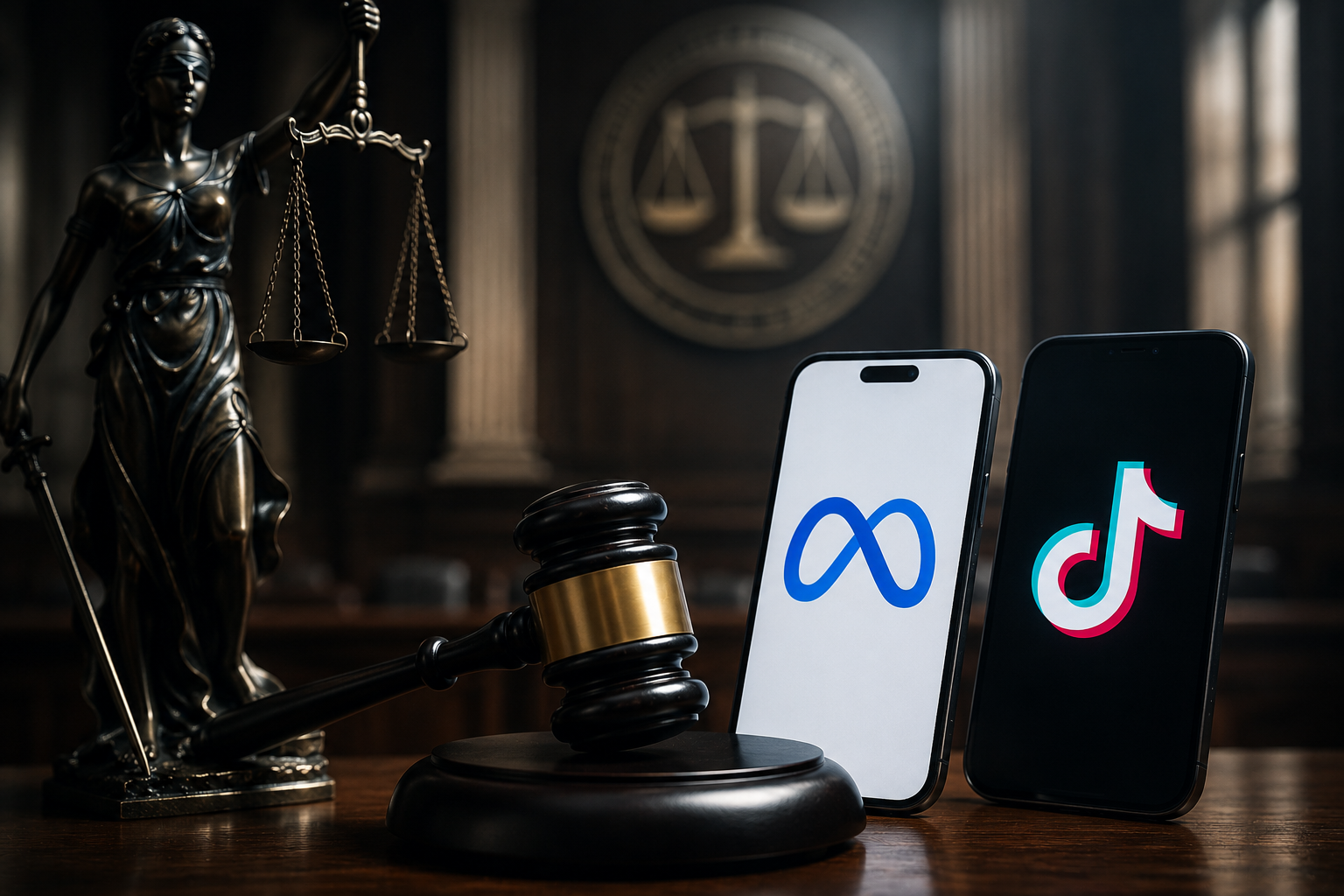
Meta COPPA ruling, TikTok settlement keep pressure on social media companies

Read Time:3 Minute, 10 Second
A federal judge’s ruling against Meta and a confidential TikTok settlement are adding momentum to nationwide litigation accusing social media companies of violating children’s privacy laws and designing platforms that harm young users.
U.S. District Judge Yvonne Gonzalez Rogers ruled that Meta failed to provide required parental notice under the Children’s Online Privacy Protection Act before collecting personal information from children younger than 13. The ruling gave plaintiffs a partial win, but it did not decide the full dispute. Gonzalez Rogers found that a jury must still determine whether Meta was subject to COPPA in the first place, an issue expected to be tested at an August 18 bellwether trial.
That leaves both sides with something to claim. Plaintiffs can point to a finding that Meta did not comply with COPPA’s notice requirements. Meta, meanwhile, preserved a key defense by keeping the statute’s applicability in front of a jury. The case is part of broader litigation claiming social media platforms targeted young users, collected valuable personal data and used design features that encouraged prolonged use. The upcoming trial could help define how courts apply a decades old children’s privacy law to modern social media platforms.
This decision keeps nearly all major theories of liability alive and positions the multistate case for trial. By denying Meta’s attempt to end the case at summary judgment, the court allowed claims about engagement driven design, alleged misrepresentations and youth privacy violations to proceed.
TikTok also avoided another trial in the coordinated Los Angeles social media addiction cases, confidentially settling claims brought by the second bellwether plaintiff, identified as R.K.C. The trial had been set to begin July 27. Plaintiffs’ co lead counsel Mariana A. McConnell of Kiesel Law LLP said the settlement came days after YouTube resolved its claims in the same case. Meta and Snap remain the primary defendants preparing for trial.
The settlement limits TikTok’s immediate trial risk, but it does not end the company’s exposure. TikTok and its parent company, ByteDance, remain defendants in thousands of related actions.
TikTok’s latest settlement follows a pattern. The company also settled the first bellwether case shortly before jury selection began in January. Snap settled its claims in that case before trial as well. The first bellwether trial proceeded against Meta and Google. Jurors awarded plaintiff Kaley G.M. about $3 million in compensatory damages and $3 million in punitive damages after finding Instagram and YouTube were negligently designed in ways that fostered addictive use among minors and contributed to mental health injuries. Los Angeles Superior Court Judge Carolyn B. Kuhl later upheld the verdict, allowing the coordinated proceedings to continue with additional bellwether trials scheduled through 2026 and into 2027.
Together, the Meta ruling and TikTok settlement show the expanding legal risks for social media companies. COPPA claims are moving alongside negligence and product liability claims alleging that platform features were designed to keep young users engaged. The companies deny the allegations. They argue that the claimed injuries stem from other causes and that Section 230 of the Communications Decency Act shields online platforms from many of the claims.
The August COPPA trial involving Meta and the upcoming Los Angeles bellwether proceedings could become key tests of how courts apply privacy, negligence and product liability theories to social media platforms used by young people.
Editor’s Note: This article was originally written for The Carlson Law Firm, a Texas-based law firm that represents clients in matters across the United States and internationally. It is republished here by its author for informational and journalistic purposes. The author is a Legal Journalist and Researcher for The Carlson Law Firm. The views expressed are intended for informational and educational purposes and do not constitute legal advice.


Happy
0 %

Sad
0 %

Excited
0 %

Sleepy
0 %

Angry
0 %

Surprise
0 %
 0
0
 0
0
Average Rating